Will Strikes Finally Halt Galamsey?


The University Teachers Association of Ghana (UTAG) has taken a bold and unprecedented step, threatening to initiate nationwide strikes if the government fails to ban illegal mining activities, known locally as galamsey, in forest reserves, rivers, and farmlands by September 30th. This move signals UTAG's deep concern about the environmental degradation and public health crises resulting from galamsey, which has long been a thorn in Ghana's side. Illegal miners, often driven by economic desperation, are causing irreversible harm to the nation's natural resources, with toxic chemicals like mercury and cyanide seeping into vital water bodies, forests, and agricultural lands.
In a recent episode of 3Music TV’s Big Conversation, Dr. Chris Aminarh voiced UTAG's frustration with the government’s inaction in addressing the galamsey crisis. Aminarh emphasized that the dangers posed by galamsey are not just environmental, but also social and economic. He highlighted the grim long-term effects of heavy metal contamination on Ghana's water supply, food chain, and public health. Birth defects, kidney failure, and widespread diseases resulting from water pollution are becoming all too common in mining communities, threatening the well-being of future generations.
Galamsey has transformed from a localized issue into a national emergency. Rivers that once sustained communities and provided fresh water for agriculture and drinking are now contaminated with mercury and cyanide, chemicals used to extract gold. Mercury, a potent neurotoxin, does not break down easily in the environment and instead accumulates in water bodies, leading to bioaccumulation in fish and other aquatic organisms. When people consume these contaminated fish or drink polluted water, they are exposed to the toxic effects of mercury, which can result in severe health problems such as birth defects, neurological disorders, and organ failure.
The demand from UTAG is clear: the government must take immediate and decisive action to ban illegal mining in protected areas, including forest reserves, rivers, and farmlands. According to UTAG, the government’s failure to enforce existing regulations and curb galamsey has created a sense of impunity among illegal miners. Despite several pledges from political leaders to clamp down on galamsey, the activity continues to proliferate, driven by the lucrative profits that illegal miners can make from gold extraction.
UTAG’s decision to threaten strikes stems from a belief that their collective power, along with the potential support of other unions, could force the government’s hand. If UTAG were to go through with its strike, the consequences could ripple across the country’s education system, effectively shutting down universities and disrupting the academic calendar. More significantly, UTAG's strike could act as a catalyst for other powerful unions—such as the Ghana Medical Association and the Trades Union Congress—to join the movement, creating a groundswell of pressure that the government cannot ignore.
The question remains: will UTAG's bold stance, and potential strikes, finally halt galamsey? Dr. Aminarh argued that while strikes alone may not be enough to completely eradicate illegal mining, they could serve as a wake-up call for the government to take the crisis seriously. “We need a national reckoning,” Aminarh said. “The people of Ghana must understand that we are on the brink of a disaster. If we don’t act now, our water bodies, our food supply, and our future are at risk.”
The potential for civil unrest is a growing concern as well. As water sources become increasingly contaminated and agricultural lands are rendered useless, the livelihoods of many Ghanaians are being jeopardized. The specter of water scarcity looms large, and if the situation is not addressed, it could lead to conflict over dwindling resources. In some areas, there have already been clashes between local communities and illegal miners, with tensions escalating as the effects of environmental destruction become more apparent.
Aminarh warned that if galamsey continues unchecked, Ghana could face a future in which clean water is a luxury rather than a basic right. “We are already seeing the early signs of water scarcity,” he said. “The Ghana Water Company has had to increase the cost of water treatment because of the levels of pollution in our rivers. This cost will eventually be passed on to consumers, meaning that ordinary Ghanaians will bear the brunt of this crisis.”
UTAG’s decision to threaten nationwide strikes over the government’s failure to tackle galamsey marks a significant turning point in the fight against illegal mining. The environmental, health, and economic consequences of galamsey are too severe to ignore, and the time for decisive action is now. While it remains to be seen whether the strikes will succeed in halting galamsey, UTAG has made it clear that they are willing to use their collective power to push for change.
If the government fails to act, Ghana risks losing not only its natural resources but also its future. As Dr. Aminarh pointed out, the stakes could not be higher: “This is not just about protecting the environment. This is about protecting our people, our health, and our country’s future.” Whether through strikes, policy changes, or grassroots action, the fight to halt galamsey has entered a new phase, and the outcome will determine the fate of Ghana’s water security and environmental sustainability for generations to come.
Sign up for the 3Music Newsletter for breaking news, events, and unique stories.
MORE FROM
entertainment
-

music entertainment fashion & lifestyle culture
“I Decided To Come Back With My Own Money, My Own Network” - Feli Nuna
By Christabel Newman
April 1st, 2026
-
music entertainment fashion & lifestyle culture
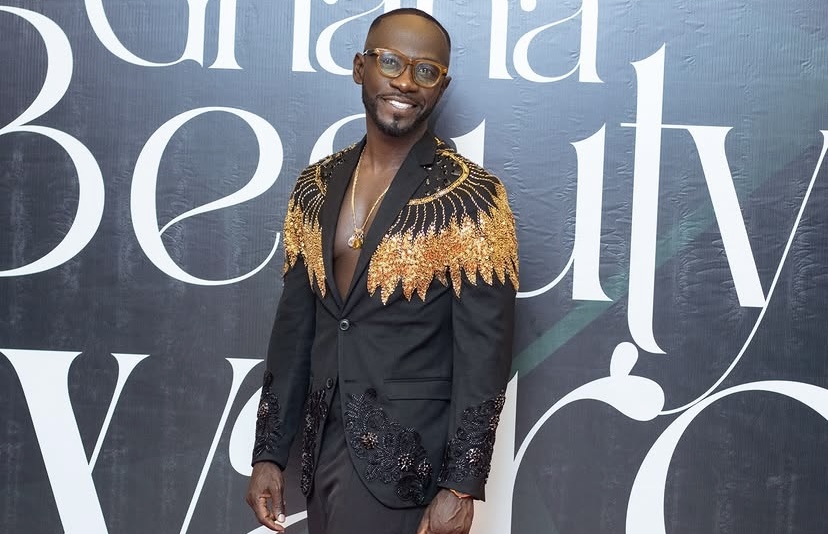
Okyeame Kwame Marks 50th Birthday With Charity Initiative For Pediatric Care
By Christabel Newman
April 1st, 2026
-

entertainment fashion & lifestyle culture
Oheneyere Gifty Anti Honoured With Head Of State Legacy And GADIA Award
By Christabel Newman
April 1st, 2026
-
music entertainment fashion & lifestyle culture
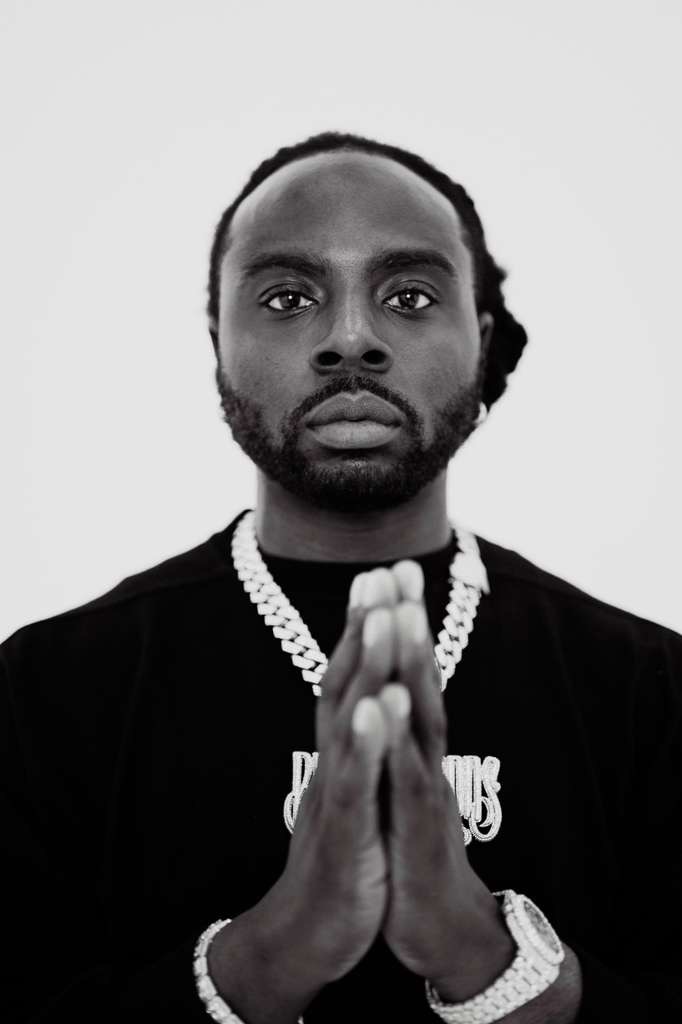
DJ Roger Beat Is On One Frequency
By Christabel Newman
April 1st, 2026
-

music entertainment fashion & lifestyle culture
Brandy Honoured With Star On Hollywood Walk Of Fame
By Christabel Newman
April 1st, 2026
More From 3Music News

music | entertainment | fashion & lifestyle | culture | BY Christabel Newman | April 1st, 2026
Coco Blasian Discusses Her Interracial Identity
Born and raised in Japan, Coco moved to Ghana at the age of six, spending part of her early childhood there before returning to Japan. She describes her life as one lived across two worlds, where she is often seen as a foreigner in both cultures...

entertainment | fashion & lifestyle | culture | BY Christabel Newman | April 1st, 2026
Vanessa Gyan Urges Women To Choose Happiness, Independence And Self-Worth
“We pour so much into other people,” she said. “But you have to pour into yourself first.” For Vanessa, self-care can be as simple as taking time out, looking good and feeling good…

entertainment | fashion & lifestyle | culture | BY Christabel Newman | March 31st, 2026
What Really Causes A Runny Tummy, Dr Christian Aminarh Breaks It Down
normal bowel habits differ from person to person: some people go once daily, others go once every two to three days but both can be completely normal depending on diet and metabolism...

music | entertainment | fashion & lifestyle | culture | BY Christabel Newman | March 31st, 2026
Mariam K.A. Buahin On Mentorship, Impact And Authentic Leadership
At the 6th edition of the 3Media Women’s Brunch, marketing and corporate leader Mariam Kaleem Agyeman-Buahin delivered a deeply reflective and inspiring message on mentorship, impact and the power of sharing one’s journey...

entertainment | sports | BY Christabel Newman | March 31st, 2026
GFA Parts Ways With Otto Addo Ahead Of Crucial World Cup Phase
The Ghana Football Association has officially announced its decision to part ways with Black Stars head coach Otto Addo, bringing an abrupt end to his tenure with the national team...

entertainment | fashion & lifestyle | culture | BY Christabel Newman | March 31st, 2026
Selina Beb Chose Passion Over Profession
Selina Beb proudly shared that her designs have been featured on major international platforms including BBC, CNN and VOA.

entertainment | fashion & lifestyle | culture | BY Christabel Newman | March 31st, 2026
Efia Shemona On Identity And The Miss Ghana UK Journey
“You’ve been smiling for hours,” she shared. “Even when your name isn’t called, you still have to hold that poise.” It’s a test not just of beauty, but of discipline, emotional intelligence and resilience

music | entertainment | fashion & lifestyle | culture | BY Aimee Cherry Quartey | March 30th, 2026
Baruwa Makes Waves with Viral Single Too Sweet Ashaiman-Lebanon
Ashaiman-based rising artiste Baruwa is gaining serious traction in the Ghanaian music scene with his buzzing single Too Sweet (Ashaiman-Lebanon), featuring Baamuji
music | entertainment | fashion & lifestyle | sports | BY Christabel Newman | March 30th, 2026
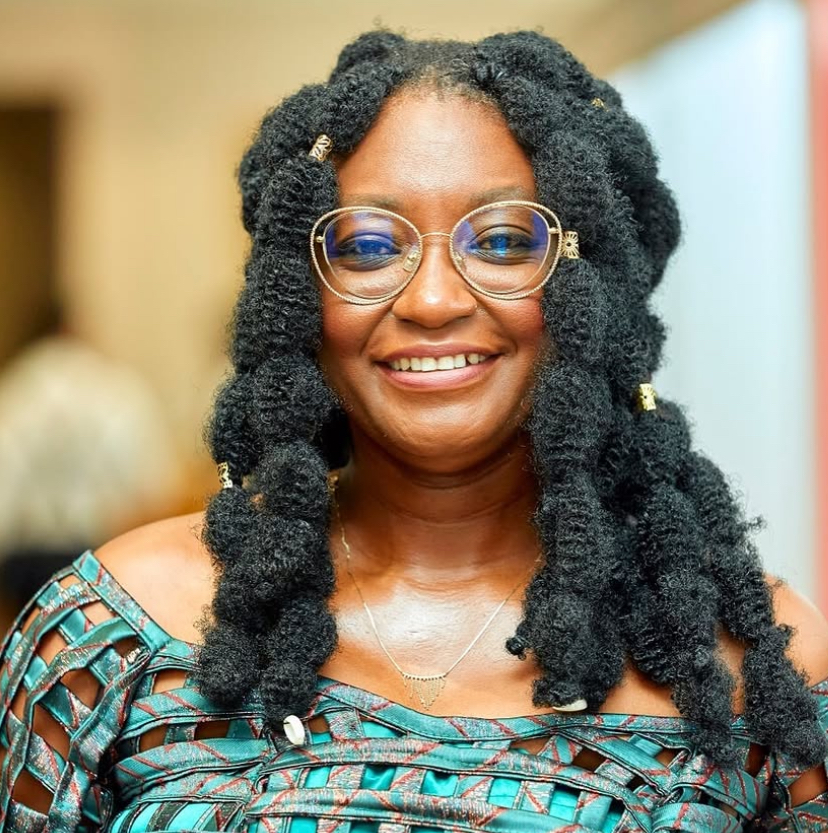
Juliet Asantewaa Asante On Embracing Every Phase Of Womanhood
In a relatable moment, she shared her own experience of reinvention, revealing that she is currently raising her adopted daughter, who is still in school...

music | entertainment | fashion & lifestyle | culture | BY Christabel Newman | March 30th, 2026
Kokui Selormey Hanson Calls For Urgent Shift In Women’s Wellness Conversations
“A lot of women are suffering in silence,” she stated, emphasizing that the current medical landscape is not always equipped with the empathy required to fully support women through their health journeys...
music | entertainment | fashion & lifestyle | BY Christabel Newman | March 30th, 2026
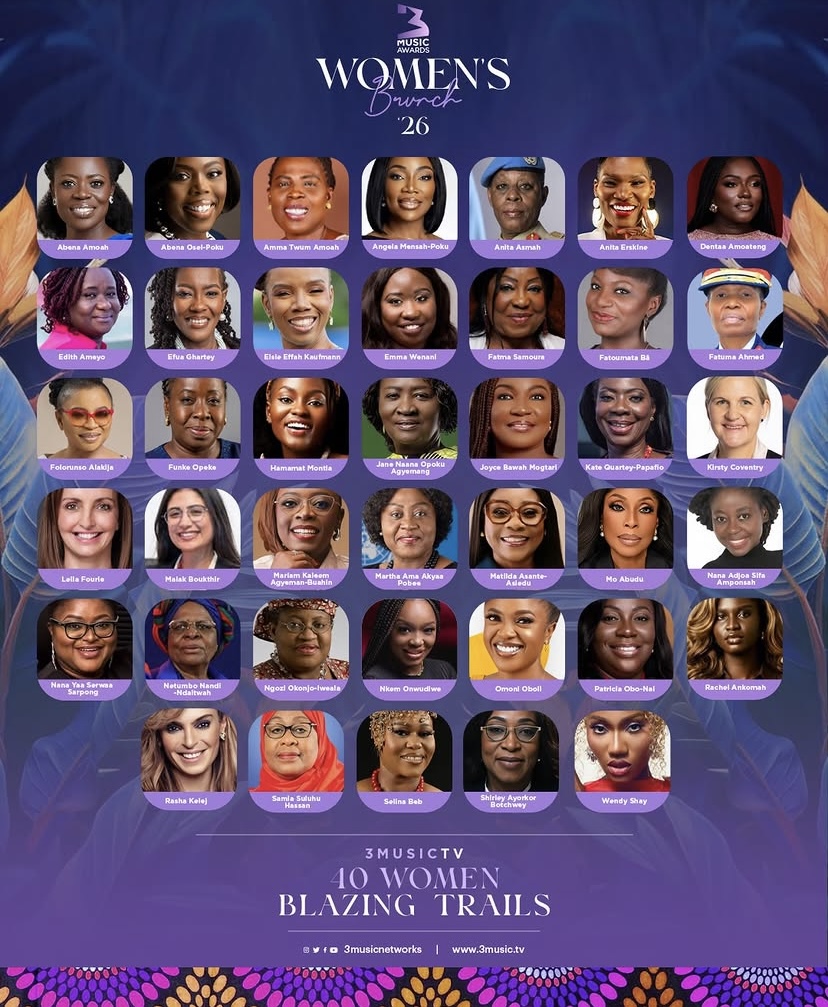
3Media Networks Gathers Powerful Women Under One Roof
Held in commemoration of International Women’s Day, the event once again brought together women from diverse industries across Ghana and beyond for a powerful day of storytelling, empowerment and connection...

entertainment | fashion & lifestyle | culture | BY Christabel Newman | March 27th, 2026
Moliy Wins Big at the IHEARTRADIO MUSIC AWARDS
This win at the iHeartRadio Music Awards further cements Moliy’s position as one of the continent’s most exciting exports...
More Similar Videos

music,entertainment | Lerny Lomotey | October 27th, 2025
Showboy Shares His Journey From Prison To Becoming Ghana's Biggest Trapper
Comments